Bastions of Power: The Real Function of Europe Castles Full Documentary
FBTwitterReddit
video description
Rating: 4.5; Vote: 2
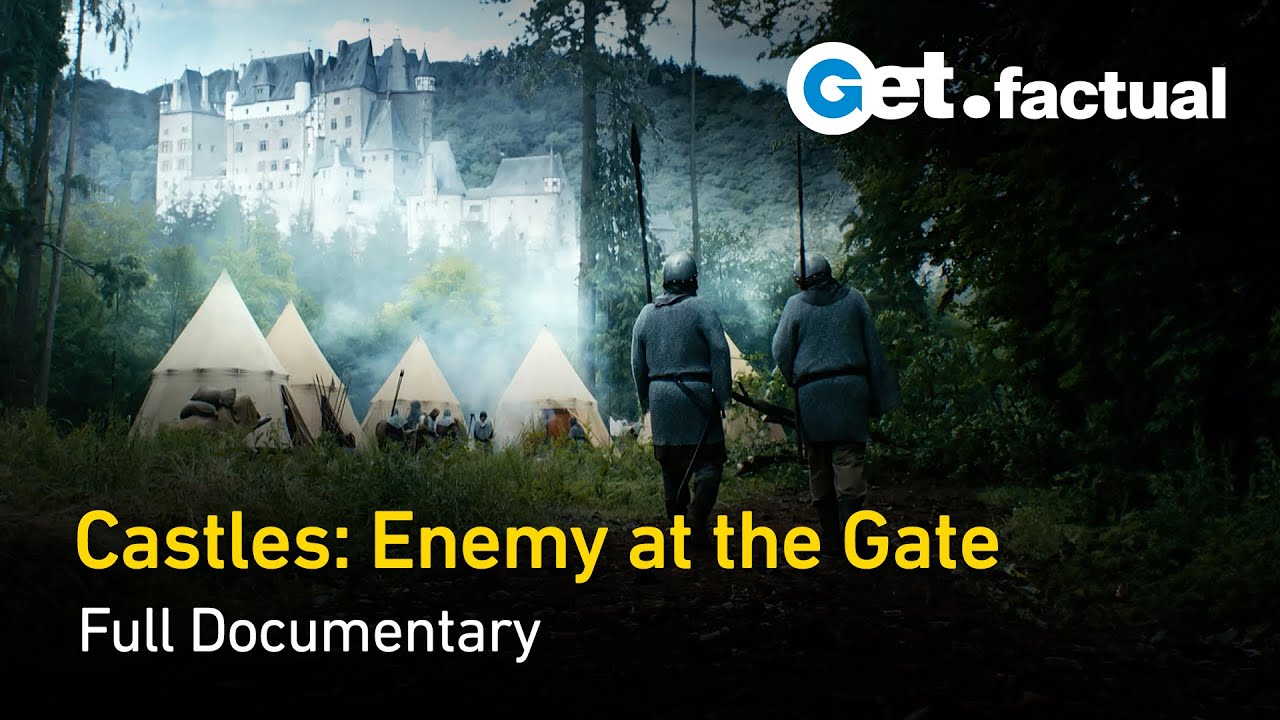
Castles were bastions of power. Yet, what if the enemy was at the gates? Our documentary examines the military function of castles from the 11th to the 16th century. New weapons called for ever new solutions by their defenders. Our journey takes us all through Europe, from the White Tower in London to revolutionary Chateau Gaillard in Normandy and to the castle of the last of Europe s robber knights.
Castles have long fascinated historians and the general public as formidable structures that embodied power and wealth. While they were symbols of status and prestige, castles also served a critical military function in the Middle Ages. Ranging from the 11th to the 16th century, our documentary delves into the intricacies of castle warfare and explores how these structures manifested as formidable fortresses during times of conflict.
The first aspect we examine is the strategic location of castles. Situated on prominent hilltops, near rivers or along key trade routes, castles were carefully positioned to offer the best defensive advantage. Their placement allowed for exceptional surveillance of the surrounding area, granting castle occupants early warning of approaching enemies. This tactical advantage was crucial for rulers, enabling them to effectively monitor and maintain control over their territories.
Castle layout and design were also central to their military function. The documentary delves into how castles incorporated advanced architectural features, including high curtain walls, sturdy gatehouses, and imposing towers, which bolstered their defensive capabilities. These elements served as barriers against invasion and served to intimidate potential attackers.
One of the most intriguing aspects of castle warfare was the siege warfare techniques employed by both attackers and defenders. Our documentary delves into the complex strategies used to breach or defend castle walls, including battering rams, trebuchets, and siege towers. We bring ancient military tactics to life through realistic recreations that portray the adrenaline-fueled intensity of castle sieges during this era.
Furthermore, our documentary explores the more subtle military mechanisms operating within the castle walls. We shed light on the importance of the garrison, a group of soldiers who were a defining feature of castles' military function. The garrison was responsible for maintaining order, conducting reconnaissance missions, and defending the castle against all odds. By examining the soldiers' daily lives and strategies, we gain insight into the role they played on a day-to-day basis.
In addition to defense, the documentary showcases how castles were instrumental in projecting a ruler's power and in maintaining control over the local population. Castles provided centers of governance, acting as administrative and financial hubs from which rulers governed their territories. Exhibiting the ruler's dominance, castles became a symbol of authority, simultaneously instilling fear and offering protection to their subjects.
As we traverse through the centuries, our documentary explains how the evolution of castle warfare was influenced by both technological advancements and changes in military strategies. As the use of gunpowder became widespread, traditional castles gradually transformed into artillery forts. The shifting landscape of warfare present challenges that castles struggled to adapt to, marking a significant decline in their military significance.
Our documentary delves into the intriguing history of castle warfare from the 11th to the 16th century. We explore their strategic locations, defensive design elements, siege warfare techniques, and the daily lives of their garrisons. Furthermore, we examine how castles were instrumental in projecting power and maintaining control within a feudal society. By shedding light on this captivating aspect of medieval history, we uncover the astonishing military function of castles and their lasting impact on warfare. Date: 2023-12-12