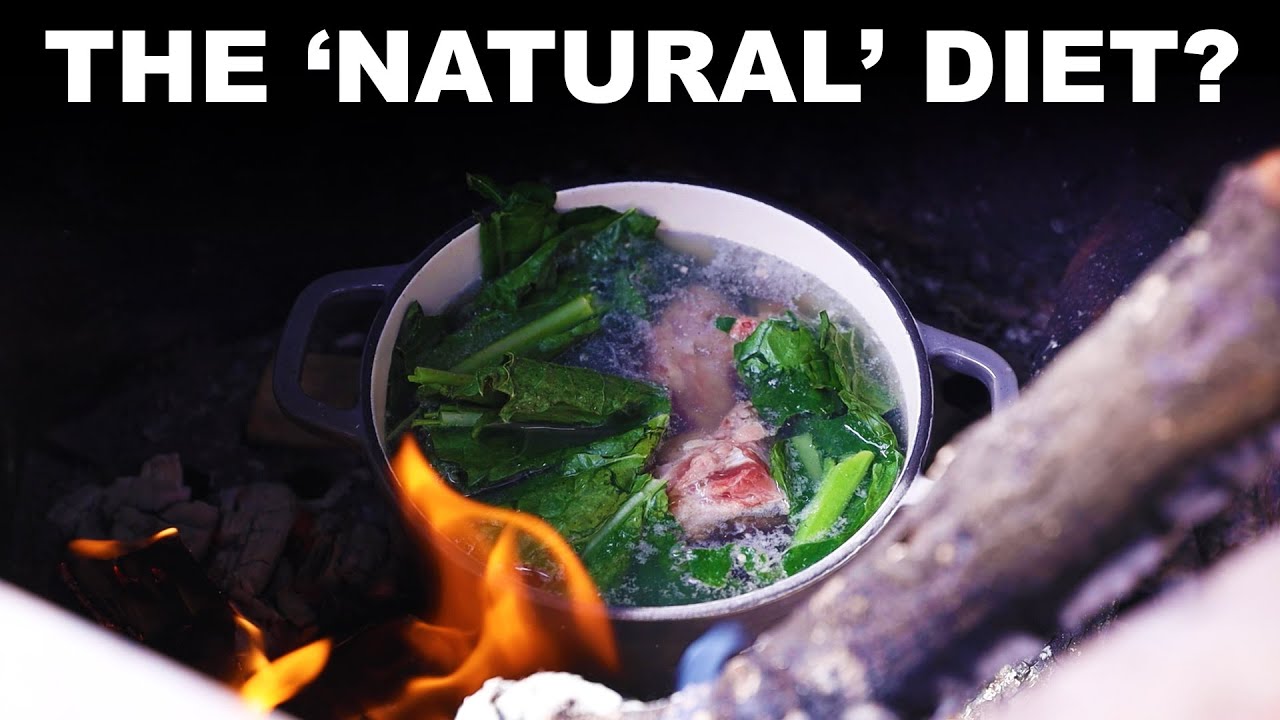
Why raw, paleo and keto diets are stupid
video description
Date: 2020-05-04
Related videos


Comments and reviews: 9
Hagor
One thing I will defend until evidence contrary to what I'm about to present shows up, is that humans need a significant meat presence in their diet. Land mammals can be very roughly divided into two categories: ruminants or similar who have a special digestive system which can covert greenery into fat (ruminants like cows and sheep, but also gorillas, and opportunistic omnivores that can digest plant material but primarily focus their diet on meat whenever it's available (canines, felines. We fall into the latter category, since we don't have the gut microbiome that converts plant material into fat. This means we primarily rely on meat for nutrition, especially the fats. We've been able to get nutrition out of a lot of plants for a long time, especially grains, because of our intelligence. But despite that, meat has been the ideal source of nutrients for us. We evolved to be as intelligent as we are today during the ice age, when digestible plant material was in short supply and we would have eaten tons of meat. And when people were able to (especially if they were rich, throughout history, they've always sought out meat over the carbs that the poor sometimes subsisted on not because it was ideal, but because it was all that was available. The primary means we can see how a carb-based diet hurts us is the prevalence of diseases like diabetes and heart disease and cancer and other diseases in our species, which aren't nearly as common in most other species, especially those closest to us. They became much more common over the last century, as we've introduced even more and more carbs into our diet than ever before thanks to the marketability of processed sugars, and later on the shoddy science commissioned by a sugar company to pin the blame for the diseases I mentioned earlier onto meat and fat (which now determines our national dietary guidelines in the US, it was so successful. Except they actually are prevalent in a few examples: our pets. People often feed their pets grain-based kibble, which gives animals like dogs and cats much more grain and vegetable material than they would ever eat in the wild as wolves and wild felines. And the result? Our pets have much higher rates of these human diseases than their wild counterparts. I believe this is the most significant evidence that a carb based diet is hurting us. Of course, eating entirely meat would be boring, but it is possible if you include organ meat in your diet rather than just muscle since organs will provide the nutrients you're missing that you'd normally supplement with plants. This is how nearly exclusively carnivorous societies like the Inuits thrived for thousands of years in the harshest corners of the world, while no society in history has ever thrived being entirely vegetarian or vegan. Despite that, though, eating some plant material is likely fine, as long as your primary energy source is fat and primary source of that is meat. Which isn't too hard to accomplish, given how many more calories fat has than carbs.
reply
One thing I will defend until evidence contrary to what I'm about to present shows up, is that humans need a significant meat presence in their diet. Land mammals can be very roughly divided into two categories: ruminants or similar who have a special digestive system which can covert greenery into fat (ruminants like cows and sheep, but also gorillas, and opportunistic omnivores that can digest plant material but primarily focus their diet on meat whenever it's available (canines, felines. We fall into the latter category, since we don't have the gut microbiome that converts plant material into fat. This means we primarily rely on meat for nutrition, especially the fats. We've been able to get nutrition out of a lot of plants for a long time, especially grains, because of our intelligence. But despite that, meat has been the ideal source of nutrients for us. We evolved to be as intelligent as we are today during the ice age, when digestible plant material was in short supply and we would have eaten tons of meat. And when people were able to (especially if they were rich, throughout history, they've always sought out meat over the carbs that the poor sometimes subsisted on not because it was ideal, but because it was all that was available. The primary means we can see how a carb-based diet hurts us is the prevalence of diseases like diabetes and heart disease and cancer and other diseases in our species, which aren't nearly as common in most other species, especially those closest to us. They became much more common over the last century, as we've introduced even more and more carbs into our diet than ever before thanks to the marketability of processed sugars, and later on the shoddy science commissioned by a sugar company to pin the blame for the diseases I mentioned earlier onto meat and fat (which now determines our national dietary guidelines in the US, it was so successful. Except they actually are prevalent in a few examples: our pets. People often feed their pets grain-based kibble, which gives animals like dogs and cats much more grain and vegetable material than they would ever eat in the wild as wolves and wild felines. And the result? Our pets have much higher rates of these human diseases than their wild counterparts. I believe this is the most significant evidence that a carb based diet is hurting us. Of course, eating entirely meat would be boring, but it is possible if you include organ meat in your diet rather than just muscle since organs will provide the nutrients you're missing that you'd normally supplement with plants. This is how nearly exclusively carnivorous societies like the Inuits thrived for thousands of years in the harshest corners of the world, while no society in history has ever thrived being entirely vegetarian or vegan. Despite that, though, eating some plant material is likely fine, as long as your primary energy source is fat and primary source of that is meat. Which isn't too hard to accomplish, given how many more calories fat has than carbs.
reply
NCRonrad
The only thing that convinced me about the paleo diet (or a reduced grain+legume diet) is in the cultural comparisons: Pueblo s vs Comanches; high corn diet vs a high meat and gathered veggie diet = bigger, longer living people, same thing with Mongolians vs Chinese (and Japanese, check out the sumo wrestlers) - high meat and veggie diet (and mares milk) vs high rice diet = bigger stronger longer living people; Scandinavians (especially those from the highlands vs Italians, again, same result. A child with Indian parents growing up in the US will generally grow bigger than a child with Indian parents growing up in India - with both kids eating the same total amount of calories. This is due almost entirely to their diet - in the US meat, diverse veggies, eggs and milk are far more available, for a cheaper price, than in India. Pasta and bread may taste amazing, but it s usually because they are vehicles for sauce, butter, salt and spices. Try eating plain pasta for a week, let alone a month. Maybe meat and veggies can get boring, but it s far more satisfying. The only thing is that it s more expensive on a population level, and that s where the benefit of these grains come into play. end of diatribe
reply
The only thing that convinced me about the paleo diet (or a reduced grain+legume diet) is in the cultural comparisons: Pueblo s vs Comanches; high corn diet vs a high meat and gathered veggie diet = bigger, longer living people, same thing with Mongolians vs Chinese (and Japanese, check out the sumo wrestlers) - high meat and veggie diet (and mares milk) vs high rice diet = bigger stronger longer living people; Scandinavians (especially those from the highlands vs Italians, again, same result. A child with Indian parents growing up in the US will generally grow bigger than a child with Indian parents growing up in India - with both kids eating the same total amount of calories. This is due almost entirely to their diet - in the US meat, diverse veggies, eggs and milk are far more available, for a cheaper price, than in India. Pasta and bread may taste amazing, but it s usually because they are vehicles for sauce, butter, salt and spices. Try eating plain pasta for a week, let alone a month. Maybe meat and veggies can get boring, but it s far more satisfying. The only thing is that it s more expensive on a population level, and that s where the benefit of these grains come into play. end of diatribe
reply
TheDeathmail
Here is one thing though Adam, which I think was mentioned. but one advantage of these diets is the fact that it restricts some bad stuff you shouldn't add to your body. Another point of a diet is to change your habits and how you eat. Going on the raw foods diet (temporarily) so that you can further enjoy veggies which you don't normally enjoy is quite nice, and having a specific diet can often help people focus on it more. I temporarily went on a keto diet for 3 weeks to better increase my appetite and lower my cravings for junk food. And I did not perfectly stick to it. but I needed the harsh focus to change my habits for the better and not crave the junk. And then, this covid-19 issue happened in which I was only able to get sugary foods for a while. and the hard work I did in finally fixing my over all diet (I stopped the keto, but the cravings for junk lowered a lot for over 2 months until we got locked in at home. So using a more extreme diet for the sake of changing bad habits might not be a bad thing for some people.
reply
Here is one thing though Adam, which I think was mentioned. but one advantage of these diets is the fact that it restricts some bad stuff you shouldn't add to your body. Another point of a diet is to change your habits and how you eat. Going on the raw foods diet (temporarily) so that you can further enjoy veggies which you don't normally enjoy is quite nice, and having a specific diet can often help people focus on it more. I temporarily went on a keto diet for 3 weeks to better increase my appetite and lower my cravings for junk food. And I did not perfectly stick to it. but I needed the harsh focus to change my habits for the better and not crave the junk. And then, this covid-19 issue happened in which I was only able to get sugary foods for a while. and the hard work I did in finally fixing my over all diet (I stopped the keto, but the cravings for junk lowered a lot for over 2 months until we got locked in at home. So using a more extreme diet for the sake of changing bad habits might not be a bad thing for some people.
reply
Malleaus
The only truth with any diet is that people's bodies react differently to different foods; that's it. It's an experiment to find what your body reacts to best. For me, I switched to a grain free diet (No wheat, rice, corn, oats, etc) and it is simply the best I've felt in my entire life. So much so that I don't think I will ever go back to eating grains for the rest of my time. There is no universal diet that works the same for everyone. My body inflames and bloats when I get grain; others don't. I get a lot of energy when I eat fruits; other people don't. Some people react to fattier foods better than others and it goes on and on. Some people operate well on a ketogenic diet; some don't. I think the only thing people agree on is that table sugar and high fructose corn syrup are universally bad for you. I think that's about it. So live and let live and know that everyone has to experiment to find their own 'healthy' diet.
reply
The only truth with any diet is that people's bodies react differently to different foods; that's it. It's an experiment to find what your body reacts to best. For me, I switched to a grain free diet (No wheat, rice, corn, oats, etc) and it is simply the best I've felt in my entire life. So much so that I don't think I will ever go back to eating grains for the rest of my time. There is no universal diet that works the same for everyone. My body inflames and bloats when I get grain; others don't. I get a lot of energy when I eat fruits; other people don't. Some people react to fattier foods better than others and it goes on and on. Some people operate well on a ketogenic diet; some don't. I think the only thing people agree on is that table sugar and high fructose corn syrup are universally bad for you. I think that's about it. So live and let live and know that everyone has to experiment to find their own 'healthy' diet.
reply
phyphor
So we know that a keto diet is safe, because it's been used with children, and we know that some people do well on a keto diet, especially as most carbohydrates aren't actually that good, they're just conduits for things that do taste good (like fat. The one carbohydrate that definitely tastes good, sugar, we know is bad. Long story short, tacking keto is bad onto a well researched video about the other diets seems a little half-arsed. Editing to add: I do not get the sense of being full when I eat carbohydrates. I can eat a loaf of bread and feel hungry. I can eat a box of packs of crisps (chips, in US English) and still feel hungry. I can eat so much pizza that I end up vomiting from over-eating, and still feel hungry. The only reason I stopped being on the diet is that it is costly in terms of both time and money, and I couldn't ethically justify eating meat. Those are good reasons to not be on a keto diet.
reply
So we know that a keto diet is safe, because it's been used with children, and we know that some people do well on a keto diet, especially as most carbohydrates aren't actually that good, they're just conduits for things that do taste good (like fat. The one carbohydrate that definitely tastes good, sugar, we know is bad. Long story short, tacking keto is bad onto a well researched video about the other diets seems a little half-arsed. Editing to add: I do not get the sense of being full when I eat carbohydrates. I can eat a loaf of bread and feel hungry. I can eat a box of packs of crisps (chips, in US English) and still feel hungry. I can eat so much pizza that I end up vomiting from over-eating, and still feel hungry. The only reason I stopped being on the diet is that it is costly in terms of both time and money, and I couldn't ethically justify eating meat. Those are good reasons to not be on a keto diet.
reply
lucky
12: 07 this is exactly what people who following a keto diet are doing. eating less than 50g of carbs a day. almost ANY keto diet guide geared towards fat loss/fitness uses these exact guidelines. it doesn't matter if you choose a higher protein to fat ratio. this expert can't even explain how the keto diet functions outside of conventional medical literature. which is all over 50 years old and based in research for anti-epileptics for children. keto (high protein moderate to high fat and severely low carbs) works for weight loss INCREDIBLY fast and while i would agree its hard to maintain, its impossible to deny its results.
reply
12: 07 this is exactly what people who following a keto diet are doing. eating less than 50g of carbs a day. almost ANY keto diet guide geared towards fat loss/fitness uses these exact guidelines. it doesn't matter if you choose a higher protein to fat ratio. this expert can't even explain how the keto diet functions outside of conventional medical literature. which is all over 50 years old and based in research for anti-epileptics for children. keto (high protein moderate to high fat and severely low carbs) works for weight loss INCREDIBLY fast and while i would agree its hard to maintain, its impossible to deny its results.
reply
Christopher
No, It doesn't matter weather food is processed at home or in a factory. Processed is processed. And pasta, bread, and most sauces are processed foods. What matters is what is in those foods. 100g of carbs is 100g of carbs. Your body doesn't care weather it came from a hamburger bun at McDonald's or a piece of potato in a freshly made vegetable soup. Find a ratio that works for you and control your portions. Oh, and eat celery. it is a magic food that takes more calories to digest then you get from doing so. If any meal is too small to satisfy, pad it with celery and eat all you want.
reply
No, It doesn't matter weather food is processed at home or in a factory. Processed is processed. And pasta, bread, and most sauces are processed foods. What matters is what is in those foods. 100g of carbs is 100g of carbs. Your body doesn't care weather it came from a hamburger bun at McDonald's or a piece of potato in a freshly made vegetable soup. Find a ratio that works for you and control your portions. Oh, and eat celery. it is a magic food that takes more calories to digest then you get from doing so. If any meal is too small to satisfy, pad it with celery and eat all you want.
reply
Twatical
The more you learn about nutrition the more you begin to realise that macronutrient profiles are the least of your worries. My diet is ovo pesce based ketogenic but I focus a lot more on avoiding potent contaminants by eliminating plastic containers, buying canned food that isn't bisphenol lined, buying oil and water in glass containers, and avoiding all non-extra virgin oils than I do with sticking to a ketogenic diet. My belief has shifted from the best dietary change being one of macronutrient profile to rather one of eliminating the omnipresent carcinogens of the food supply.
reply
The more you learn about nutrition the more you begin to realise that macronutrient profiles are the least of your worries. My diet is ovo pesce based ketogenic but I focus a lot more on avoiding potent contaminants by eliminating plastic containers, buying canned food that isn't bisphenol lined, buying oil and water in glass containers, and avoiding all non-extra virgin oils than I do with sticking to a ketogenic diet. My belief has shifted from the best dietary change being one of macronutrient profile to rather one of eliminating the omnipresent carcinogens of the food supply.
reply
Mitchell
There's evidence that keto and modified paleo diets (it's just more updated with modern day knowledge) can help with people like myself who have autoimmune or gut issues. Whole food diets with a good amount of fat and low in inflammatory foods (like refined white bread and processed meat) are in general the only ones you should follow based on what you know is helping your individual needs. I follow a modified paleo, i have keto friends and I know whole foods people and generally the sciencetific concensus is whole food diets reign supreme.
reply
There's evidence that keto and modified paleo diets (it's just more updated with modern day knowledge) can help with people like myself who have autoimmune or gut issues. Whole food diets with a good amount of fat and low in inflammatory foods (like refined white bread and processed meat) are in general the only ones you should follow based on what you know is helping your individual needs. I follow a modified paleo, i have keto friends and I know whole foods people and generally the sciencetific concensus is whole food diets reign supreme.
reply
Add a review, comment
Other channel videos