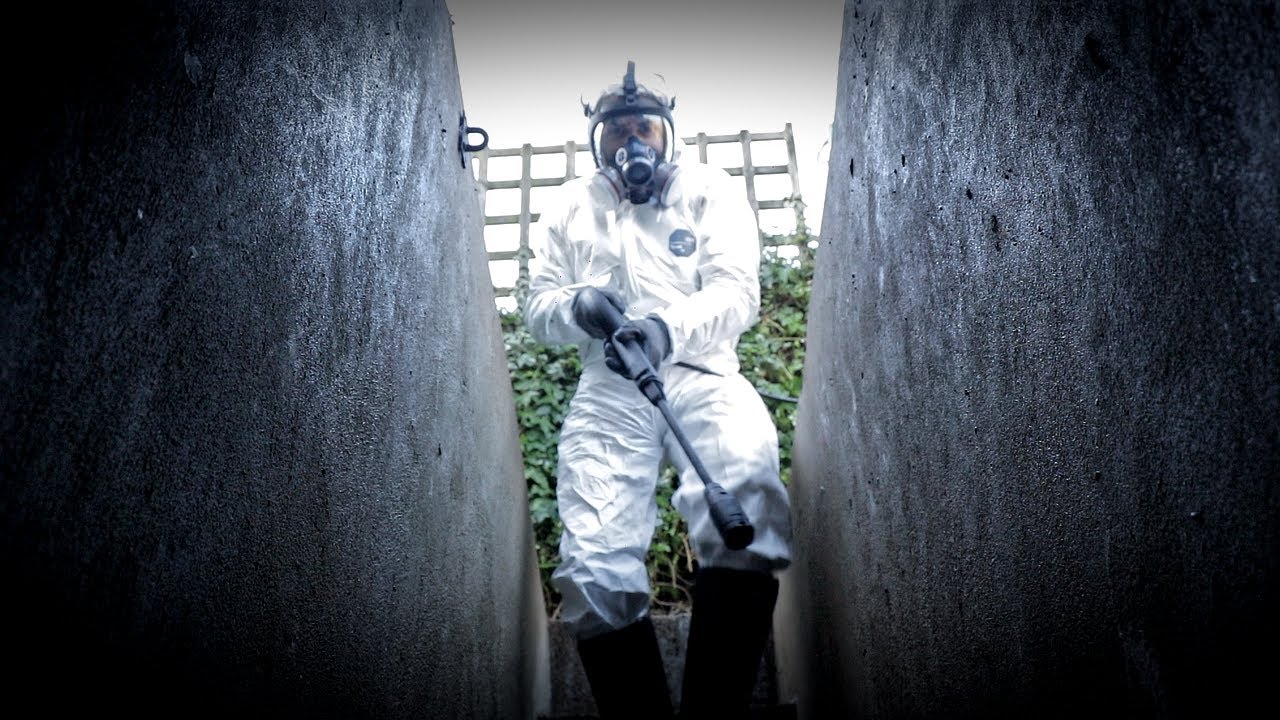
Clearing the Abandoned Bunker
video description
Date: 2020-01-03
Related videos






Comments and reviews: 10
Matt Lewandowski
There are a number of things you can do for the cellar water proofing. I would start with rebuilding the door and the cover for the air vent. a new door with good thick layer of weather seal should resolve the door issue, but I would have to look closer at it to be sure. The air vent on the other hand needs a bit more work. Where it me, I would take out that tile top and build a whole new cap over it and install a solar powered shed fan into a vent duct. In this way, the humid air would be pulled out to reduce the condensation. I would also paint the entire interior with an epoxy garage floor lining or similar moisture barrier. (These are the first things I can think of off the top of my head) A bit more difficult, but probably important thing to do none the less would be to dig a sump at the foot of the stairs and install a sump pump or similar drain line. This will reduce or eliminate water ingress from the stairs. You may even build up the floor a bit so it slopes toward that sump. These are labor intensive and will be fairly costly. Then again resolving basement water problems often are. Being in the states, I do not know your weather, but from what I hear it is typically damp. You could have a hard time keeping the mold problem in check. I would start (after installing a drain sump) with scrubbing every inch of the place with a strong bleach solution, then pressure washing it a second (maybe even a third) time, but first, I would repair the ventilation and door to reduce the humidity and condensation. I fear though, like many concrete bunkers from the cold war and earlier, you are fighting a loosing battle.
reply
Objective Observer
The Fisherman's Reality, where there be water, there be buckets and bailing. snicker. I agree with others: I'm not certain you will ever get that sealed. not without a lot of effort and time. that you are in short supply of these days. I will always recommend working with the limitations, and the strengths of your 'project medium. ' Growing Root veges might be a good thing, but I would suggest you test the water in their first. Find out what kind of impurities will be dripping on to your veges. Storing things down there, on a Raised floor. is a decent idea. providing you have enough water proof containers. Truthfully, if you put a raised floor, make a floating raft, so your belongs don't get wet. After working in food service for several years, I don't recommed the brewery, again, you don't know what contaminants are down there. I think, you are asking the wrong people for assistance. I suggest you locate one of the many living history orgs in the UK, those that focus on WWII, and ask their suggestions. If you ask someone who would appreciate the history, that might lead to lots of volunteers willing to help. My suggestion: it needs to be a Momument, a reminder of what your people survived, and how they did it. You give brief tours down there, with sound effects resembling a blitz attack. If we don't remember our history, we are doomed to repeat it.
reply
bluemtnsman
Basements in my area tend to be under ground with a set of steps leading down into the earth 8-9 feet. Condensation and seepage is an ongoing issue. The best solution is to create a sump pit. A sump pit is usually about 18 inches square and the same depth of 18 inches, in your case 12 inches should work fine. Place your sump pump in the bottom of the hole on gravel that is a few inches deep, run your hose up and outside, power the pump up and leave it be. I'd suggest a small dehumidifier set next to the sump pit with it's over flow discharging into the pit. The last thing I would do interior is to install a ceiling mounted heat lamp or high intensity lamp. As the space dries out these 3 appliances will keep it dry. I have no good ideas for the exterior other than hydraulic cement as a coating over the existing concrete above grade and at least 12 inches below grade. This product will repel water but needs to be about 1/4 inch thick. If you intend the space as a wine and cider cellar, omit the high intensity light and install a wood floor of for resistant lumber, not plywood. Cheers and good luck mate.
reply
0623kaboom
congrats on the new addition to the family. you only have 2 real options for sealing the bunker from water leaks. one is rebuild the entrance so it has a higher slope door and then add weather proofing around the door and what not. for the air hole. if you slope the bottom edge of the platform down and recap the top so that it hangs over the hole and leaves a few inch gap to let air in and CO2 out by a fan and a flexible duct tube. .also add a small sump pit in the bunker so IF it does get more water it will flow and fill that and can be pumped from there instead of from a bucket; ) heck build a garden shed OVER the top part of the bunker and remove the bunker door altogether. then it is all covered by the shed and all you need worry about is slapping a small sump pit in a corner some place and then your ready to plan the for what part of the bunker
reply
mark jacobsen
You should probably get rid of that door and put one on there that will shed the water off to the sides and bottom of the entrance. Also a water shed of some kind if possible over the top of the door - like a piece of flashing or something. Perhaps install a ventilation fan that keeps air moving through there intermittently so that dampness can be carried away regularly. As far as sealing it goes, if there are any leaks in the walls you might be able to find some hydraulic cement which is used for mending such leaks. Care should be taken though when applying this cement as it sets up fast ( it will even cure in a leak in the wall that is actively leaking as you patch it) so use gloves or it will eat the flesh off your hands if you touch it - and it gets hot as well so you could burn your hands. But it works real good.
reply
GoodNeighborJon
As another commentor mentioned, it is always best to seal basements from the outside. But, you cant very well do that, can you? Here in the US, we use products like DryLok Extreme Masonry Waterproofer from UGL to seal the inside of basement walls. I dont know whats available in the UK, but youll want something similar. The walls dont even have to be completely dry to use it. That will stop water from seeping through the concrete. As you already know, you will need a sealed bunker door and a rain-proof vent jack for the vent shaft. However, even with all of this, it will always be a bit moist down there unless you want to install an air circulation/dryer system. If you were in the US, I would recommend contacting a doomsday bunker installer. Do you have those in England? Best of luck. Cheers
reply
Stephen Woodward
A damp proof course glued to the walls might be a possibility but I think you'd be fighting a losing battle. Perhaps recessing a hole into the floor and concreting around it may be ok to then put the pond pump into the recessed hole so you can switch it on when you want with the water level then being high enough. A false floor on plastic battons may be a good idea for drainage and if you can keep it dry some tongue and groove walling painted white would be really bright. I'd test out whether a slightly raised floor can function ok with drainage going underneath. I don't think you've got any guarantees that the water is coming in through the walls and letting it come through rather than force it into the walls or floor may not be a bad way to deal with this.
reply
Ian Levine
Chasing the moisture with fixes can frustrating. I suggest getting it dry and watching it until you see where the water comes in. If it is the vent you can put a cover over top so that it still vents but water sheds around it. If it is the door then a good coat of paint and some gasket material would probably seal it up. If there are cracks or holes in the concrete walls look in to sealing them with hydraulic concrete. If it seeps through the walls look in to a good sealing paint like dry lock. If it just gets condensation, a small fan to circulate air out the vent might help. Congratulations on the birth, happy New Year. Looking forward to the videos.
reply
ProFriend
Several things I would do to get it dry - the obvious door replacement, and then construct a sump that your pump can sit down in. Typical sump is about the size of a 5 gallon utility pail, about 15 in diameter and 20 deep, but any size that will accommodate your pump is fine. It needs to be perforated so water can enter from the sides. Put an automatic pump in the hole and run a pipe to the outside, then fashion a cover for the hole. For the walls and roof, clean out any cracks, fill with hydraulic cement, then paint the entire interior with hydraulic sealant. Finally, consider a dehumidifier, which can drain into the sump.
reply
Catherine Moore
I wonder if you have a wet/dry shopvac? You can vacuum it dry (may have to dump it multiple times, then leave a dehumidifier running to see if it can keep up w seepage, at least temporarily. Id improve the cover over the air shaft, in case thats how water is getting in. Also, here in the states, we have metal doors for exterior storm cellars that have a lip that covers the edge of the doorway, which does a pretty thorough job of keeping the weather out. You can get them in different colors here, and they can be secured from inside (in case of tornados here, in case you want to lock the zombies out. Just sayin
reply
Add a review, comment
Other channel videos