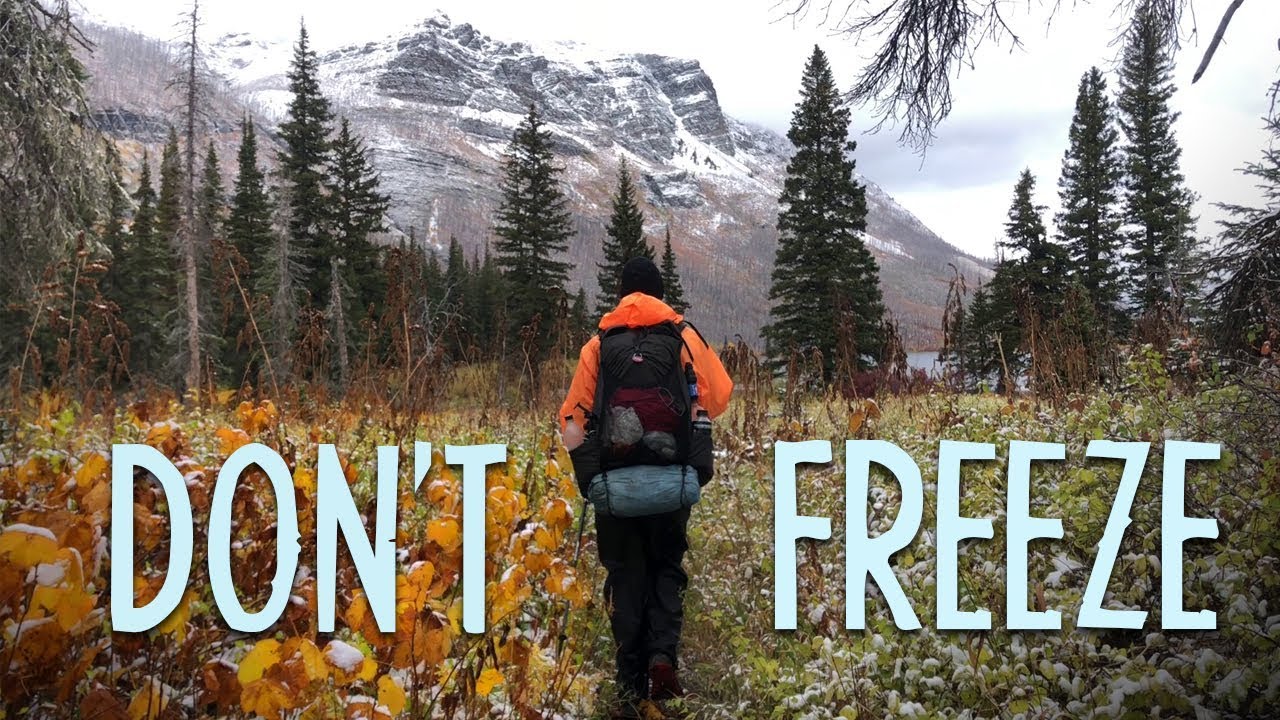
Gear Must-Haves for the Freezing Rain
video description
I carry a British military woolie! 100% wool, reasonably priced, and built to survive the apocalypse! Just two will allow you to survive down to a temperature of -20. Speaking of wool a damn good blanket is a Hudson Bay 8 point blanket! Yes they are expensive but they are heirloom quality. Your great grand children will be cuddling up in it!
I still have my great Auntias blanket from the prairie days. When we natives lived a more primitive lifestyle.
Nothing beats military surplus!
Also any piece of clothing that will be exposed to the elements needs to be water proofed with paraffin wax or a oilskin solution. Being homeless taught me that one. Especially, your shoes!
When hiking in winter. Snowshoes are a must! It only takes one experience of sinking into a snow bank to teach you that. Idaho was my teacher. All because I wanted a Big Mac! Luckily some college gals saw me take the plunge!
Hope this helps!
Date: 2020-08-18
Related videos



Comments and reviews: 9
Brian
I used Sealskinz waterproof socks during my 2018 thru-hike of the AT which I started in Feb and finished in July (so in both cold and hot weather. They turned out to be one of my favorite pieces of gear. Absolute lifesavers during cooold wet weather. Even kept my feet dry during stream crossings. Mine were just below the knee and I wore injinji 5-toed sock liners underneath (ALWAYS, no matter what other socks I was wearing - not one single blister in 2200 miles. I will say that they will lose their wp effectiveness after numerous wash & dry cycles so it would've beeen best to replace them when I got to New England but I didn't. Hope this helps, I can't tell you how much your videos helped me in planning a successful thru-hike, so I'll just say Thanks Dixie!
reply
I used Sealskinz waterproof socks during my 2018 thru-hike of the AT which I started in Feb and finished in July (so in both cold and hot weather. They turned out to be one of my favorite pieces of gear. Absolute lifesavers during cooold wet weather. Even kept my feet dry during stream crossings. Mine were just below the knee and I wore injinji 5-toed sock liners underneath (ALWAYS, no matter what other socks I was wearing - not one single blister in 2200 miles. I will say that they will lose their wp effectiveness after numerous wash & dry cycles so it would've beeen best to replace them when I got to New England but I didn't. Hope this helps, I can't tell you how much your videos helped me in planning a successful thru-hike, so I'll just say Thanks Dixie!
reply
Jake
Hey, probably too late to mention. I swear by goretex socks for intermittent use. I use a pair when I need to heal my feet. If your feet aren't drying out from rain or being constantly submerged I use a pair to let my feet begin to dry whilst my boots can stay wet. I also use them as sleeping socks when they are required for those particularly cold nights. I have had the same pair survive for 6 years of being in the army as well as hiking trips. Long term day in day out use they are awful and will wear out quickly though.
reply
Hey, probably too late to mention. I swear by goretex socks for intermittent use. I use a pair when I need to heal my feet. If your feet aren't drying out from rain or being constantly submerged I use a pair to let my feet begin to dry whilst my boots can stay wet. I also use them as sleeping socks when they are required for those particularly cold nights. I have had the same pair survive for 6 years of being in the army as well as hiking trips. Long term day in day out use they are awful and will wear out quickly though.
reply
kevin
Great tips! Now here's one or 2 of my own:
If you have enough snow to do it, pack it super tight under your tent then cover the rain fly in it (at least the bottoms of the fly - you might need to cut some pine boughs to give structure for the snow. Snow is a great insulator and can keep you nice and toasty: )
Otherwise just cut some pine boughs and make a layer of them under your tent as something extra between you and the cold, wet ground. These tricks have been useful in my (mis)adventures!
reply
Great tips! Now here's one or 2 of my own:
If you have enough snow to do it, pack it super tight under your tent then cover the rain fly in it (at least the bottoms of the fly - you might need to cut some pine boughs to give structure for the snow. Snow is a great insulator and can keep you nice and toasty: )
Otherwise just cut some pine boughs and make a layer of them under your tent as something extra between you and the cold, wet ground. These tricks have been useful in my (mis)adventures!
reply
RJ
For a New England-style ice storm I would get a hotel reservation! True freezing rain can accumulate well past 1/4 inch and once you get enough ice huge branches and even entire trees can come crashing down. It would be pretty dangerous to be in a wooded area in that type of conditions and it could easily tear up a tent if you were in the open. A bad ice storm can also knock out power in an entire area for a week or longer.
reply
For a New England-style ice storm I would get a hotel reservation! True freezing rain can accumulate well past 1/4 inch and once you get enough ice huge branches and even entire trees can come crashing down. It would be pretty dangerous to be in a wooded area in that type of conditions and it could easily tear up a tent if you were in the open. A bad ice storm can also knock out power in an entire area for a week or longer.
reply
Gregory
You recommend fleece, and I agree. But I encountered one exception in the Sierra. During very light snowfall, I wore fleece as the outer layer on a strenuous hike, in light wind. I could see vapor steam off fleece, condense, freeze and build up on the outermost strands of the fleece until it became cold and clammy. I switched to a rain shell. While keeping pace, it was (too) warm, but a little less clammy.
reply
You recommend fleece, and I agree. But I encountered one exception in the Sierra. During very light snowfall, I wore fleece as the outer layer on a strenuous hike, in light wind. I could see vapor steam off fleece, condense, freeze and build up on the outermost strands of the fleece until it became cold and clammy. I switched to a rain shell. While keeping pace, it was (too) warm, but a little less clammy.
reply
DarkWatersNovel
interesting tips. I would suggest large marigold gloves as a cheap waterproof alternative if you are wearing thinsulate gloves underneath them and a cheap plastic/pvc poncho over your rain gear instead of a brolly as you are adding an extra waterproof layer without having to expend as much energy heating yourself up. the balaclava definitely would be ideal for keeping the ears and nose warm.
reply
interesting tips. I would suggest large marigold gloves as a cheap waterproof alternative if you are wearing thinsulate gloves underneath them and a cheap plastic/pvc poncho over your rain gear instead of a brolly as you are adding an extra waterproof layer without having to expend as much energy heating yourself up. the balaclava definitely would be ideal for keeping the ears and nose warm.
reply
jerryj
Hey Dixie, I don't know how they would work for the kind of miles you put in but my SealSkinz keep my feet dry so long as the water is not deeper than the top of the sock. I have knee high and mid high SealSkinz. I wear them with a lightweight REI wool liner. They work great with my Altra Lone Peaks which I bot on your suggestion.
reply
Hey Dixie, I don't know how they would work for the kind of miles you put in but my SealSkinz keep my feet dry so long as the water is not deeper than the top of the sock. I have knee high and mid high SealSkinz. I wear them with a lightweight REI wool liner. They work great with my Altra Lone Peaks which I bot on your suggestion.
reply
Shane
One thing I use for late season hunting is seal skin socks. They are not real seal skin but they have kept my feet dry for 20 day plus hunts crossing rivers and creeks multiple times daily. Look them up lots of Alaskan guides believe in them. They are not cheap.
reply
One thing I use for late season hunting is seal skin socks. They are not real seal skin but they have kept my feet dry for 20 day plus hunts crossing rivers and creeks multiple times daily. Look them up lots of Alaskan guides believe in them. They are not cheap.
reply
Yuri
What about rubber boots in stead of a shoes? And a poncho in stead of a gore-tex jacket? And talking about umbrellas: there is a tough one called senz, I guess they are Dutch made, you may want to check it out. The gloves are good idea. Thanks!
reply
What about rubber boots in stead of a shoes? And a poncho in stead of a gore-tex jacket? And talking about umbrellas: there is a tough one called senz, I guess they are Dutch made, you may want to check it out. The gloves are good idea. Thanks!
reply
Add a review, comment
Other channel videos