Survival & Bushcraft: How Soap was Made over 1000 years ago
video description
Date: 2025-09-01
Related videos


Comments and reviews: 18
SabineHergemöller
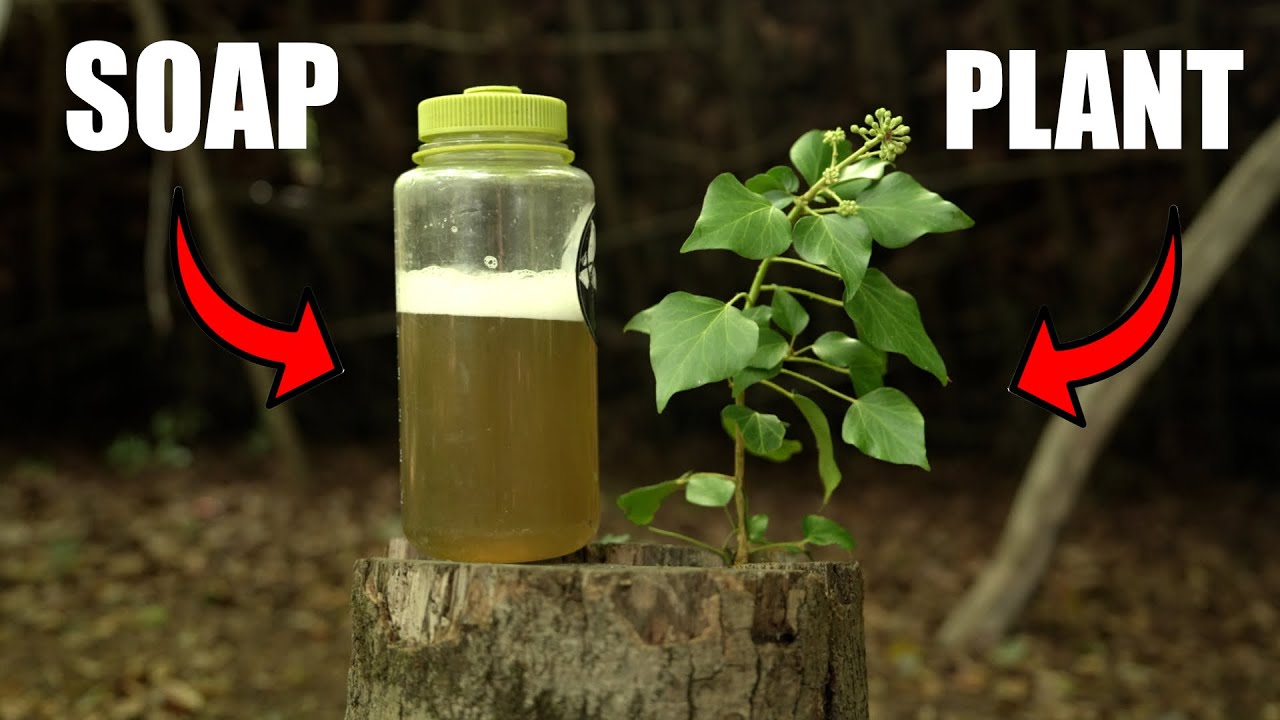
Ivy is great instead of washing powder.
Best, if you let the cooked solution soak for roundabout 6 hours, much more saponins will be diluted.
But please don't use it as soap for yourself or for dishes, because Ivy is poisonous.
Chestnuts are also full of saponins. In autumn take them, cut them in parts, get rid of the skin.
Let 2-3 tablespoons of those sit for 30 min in a jar of hot water. Then shake them and wash your clothes with the solution. Works great.
For white clothes you need to give some washing soda to this solution (also to your Ivy solution, because in there are no whiteners and your white clothes would turn slightly grey over time without washing soda.
reply
Ivy is great instead of washing powder.
Best, if you let the cooked solution soak for roundabout 6 hours, much more saponins will be diluted.
But please don't use it as soap for yourself or for dishes, because Ivy is poisonous.
Chestnuts are also full of saponins. In autumn take them, cut them in parts, get rid of the skin.
Let 2-3 tablespoons of those sit for 30 min in a jar of hot water. Then shake them and wash your clothes with the solution. Works great.
For white clothes you need to give some washing soda to this solution (also to your Ivy solution, because in there are no whiteners and your white clothes would turn slightly grey over time without washing soda.
reply
kynixie
I would say that it not strangling trees only applies to ivy in the UK, we have the same species in the Pacific Northwest and it's a huge problem, we are currently forming corps to try to remove it completely in Washington state. It harms our cedar and fir trees and crowds out lower down plants as well.
And also we made soap from fat and potash and I imagine blends of those with saponins as well. Hard soaps are typically the fat and potash mix.
reply
I would say that it not strangling trees only applies to ivy in the UK, we have the same species in the Pacific Northwest and it's a huge problem, we are currently forming corps to try to remove it completely in Washington state. It harms our cedar and fir trees and crowds out lower down plants as well.
And also we made soap from fat and potash and I imagine blends of those with saponins as well. Hard soaps are typically the fat and potash mix.
reply
kuromad
Wouldn't it be more effective to start with the empty cup and s rounded stick and use it like a mortar & pestle before adding water and boiling it And what would happen if you let it boil till most of the water has evaporated Does it get super concentrated or is the active ingredient destroyed in the process
reply
Wouldn't it be more effective to start with the empty cup and s rounded stick and use it like a mortar & pestle before adding water and boiling it And what would happen if you let it boil till most of the water has evaporated Does it get super concentrated or is the active ingredient destroyed in the process
reply
syddlinden8966
Kind of like soap nuts. Awesome to know that ivy leaves can be used the same way.
Important to note that the side mentioned of animal fats being used for soap require lie to turn them into a saponin. Which before we had industrially made lie would have been pulled from ashes from fires.
reply
Kind of like soap nuts. Awesome to know that ivy leaves can be used the same way.
Important to note that the side mentioned of animal fats being used for soap require lie to turn them into a saponin. Which before we had industrially made lie would have been pulled from ashes from fires.
reply
6ixBTC
Not a question related to your video but do you think i’d be ok camping on dartmoor with only a ground sheet, sleeping bag, sleeping mat and tarp shelter was thinking a foresters tent would do the trick Never done anything like this before i normally camp in tents on campsites
reply
Not a question related to your video but do you think i’d be ok camping on dartmoor with only a ground sheet, sleeping bag, sleeping mat and tarp shelter was thinking a foresters tent would do the trick Never done anything like this before i normally camp in tents on campsites
reply
_Andrew. _
Here is something you can also try, Mistletoe bird trap. Ancient hunting with this sticky plant.
Can be found at;
Eugenio Monesma - Documentales
Mistletoe bird trap. Ancient hunting (now banned) with this sticky plant
Link below if they work
reply
Here is something you can also try, Mistletoe bird trap. Ancient hunting with this sticky plant.
Can be found at;
Eugenio Monesma - Documentales
Mistletoe bird trap. Ancient hunting (now banned) with this sticky plant
Link below if they work
reply
bizbizley
When you were taking the stems off the Ivy it reminded me that if you take the stems off Spinach it stops it all clumping together.
Plus the video reminded me that I could probably do with a wash!
Interesting video. Thank you.
reply
When you were taking the stems off the Ivy it reminded me that if you take the stems off Spinach it stops it all clumping together.
Plus the video reminded me that I could probably do with a wash!
Interesting video. Thank you.
reply
colinham9148
This is not good if you are alergic to Ivy, coming into contact with this plant is dangerous to some and hospitalised me some years ago. I prefer using soap wort plant as a natural soap rub leaves together add water to get soap.
reply
This is not good if you are alergic to Ivy, coming into contact with this plant is dangerous to some and hospitalised me some years ago. I prefer using soap wort plant as a natural soap rub leaves together add water to get soap.
reply
ShamzStarz
For me, the first thing i think of when talking about soap is dish washing. The grease and oil rather than detergent for clothes washing. I find it unfortunate that you didnt demonstrate this natural soap reaction with grease.
reply
For me, the first thing i think of when talking about soap is dish washing. The grease and oil rather than detergent for clothes washing. I find it unfortunate that you didnt demonstrate this natural soap reaction with grease.
reply
aresranger1675
Have you seen some bushcrafters use ashes from a fire concentrating in water then add talo to make soap I was wondering if you could add ash to your mixture if that would make it stronger
reply
Have you seen some bushcrafters use ashes from a fire concentrating in water then add talo to make soap I was wondering if you could add ash to your mixture if that would make it stronger
reply
taoutdoors
Here On Canada's East Coast, we have plenty of Birch Trees and their leaves contain saponins and we can use them the same way. Thanks for the good tips and tricks on bushcraft and survival.
reply
Here On Canada's East Coast, we have plenty of Birch Trees and their leaves contain saponins and we can use them the same way. Thanks for the good tips and tricks on bushcraft and survival.
reply
JMKrauss1
Great Video! I used to use chestnuts they are widely available in europe. Soap nuts are great, too, if you live in warmer areas. Here in Thailand we use the core-wood of the jackfruit tree.
reply
Great Video! I used to use chestnuts they are widely available in europe. Soap nuts are great, too, if you live in warmer areas. Here in Thailand we use the core-wood of the jackfruit tree.
reply
robertlee8400
Do not use or make this , ivy soap can & will itch with use & if you do not know which ivy you have it’s not worth the risk of getting poison ivy or getting a rash from it.
reply
Do not use or make this , ivy soap can & will itch with use & if you do not know which ivy you have it’s not worth the risk of getting poison ivy or getting a rash from it.
reply
private15
If you double your clothesline rope and twist it together you can tuck corner of anything you want to hang to dry between the two ropes and it will stay without clothes pins.
reply
If you double your clothesline rope and twist it together you can tuck corner of anything you want to hang to dry between the two ropes and it will stay without clothes pins.
reply
lysytoszef
Nice technique. Question: can you keep it simmering to boil off excessive water to thicken down the actual soapy stuff Or does it get somehow damaged/steams off as well
reply
Nice technique. Question: can you keep it simmering to boil off excessive water to thicken down the actual soapy stuff Or does it get somehow damaged/steams off as well
reply
johnbelcher7955
CONKERS! Can be used to make laundry detergent from conkers/horse chestnuts!
N. B conkers are poisonous so not a bright idea to be used to wash your hands!
reply
CONKERS! Can be used to make laundry detergent from conkers/horse chestnuts!
N. B conkers are poisonous so not a bright idea to be used to wash your hands!
reply
taoutdoors
Never heard of using Ivy for this, which given how very very common the plant is here surprises me. Nice to add another plant to the mental inventory.
reply
Never heard of using Ivy for this, which given how very very common the plant is here surprises me. Nice to add another plant to the mental inventory.
reply
adamdobner1910
Does this have decent antiseptic or antibacterial qualities, too Or is it just a detergent for breaking down oils/greases
reply
Does this have decent antiseptic or antibacterial qualities, too Or is it just a detergent for breaking down oils/greases
reply
Add a review, comment
Other channel videos