What If You Lived During The Permian Period
video description
Date: 2024-09-01
Related videos






Comments and reviews: 6
HoarderMasterzXD
Living during the Permian Period, which lasted from about 299 to 252 million years ago, would be a vastly different experience compared to life today. Here are some key aspects to consider about life in that era:
### Environment
- Geography and Climate: The Permian was characterized by a supercontinent called Pangaea, which created a variety of environments. The climate was predominantly dry, with vast deserts and some humid regions where life thrived.
- Atmosphere: The atmosphere contained higher levels of oxygen compared to today, but it also had higher carbon dioxide levels, which could have influenced climate and vegetation.
### Flora and Fauna
- Plant Life: The landscape was dominated by gymnosperms (like conifers) and other seed plants, as well as ferns and cycads. There were no flowering plants, which appeared later.
- Animal Life: The Permian saw the dominance of amphibians and the early ancestors of reptiles. It was also a period of significant diversity in marine life, including mollusks, brachiopods, and primitive fish.
- Terrestrial Life: Insects were abundant, and there were early forms of synapsids (mammal-like reptiles) and diapsids (precursors to modern reptiles and birds.
### Daily Life
- Survival: If you were a small vertebrate or an insect, your life would involve finding food, avoiding predators, and adapting to changing environmental conditions. Life would be focused on survival in a competitive ecosystem.
- Predators and Competition: The presence of large predators, such as the synapsids, would make the environment dangerous, requiring various survival strategies, like burrowing or hiding.
### Events and Extinction
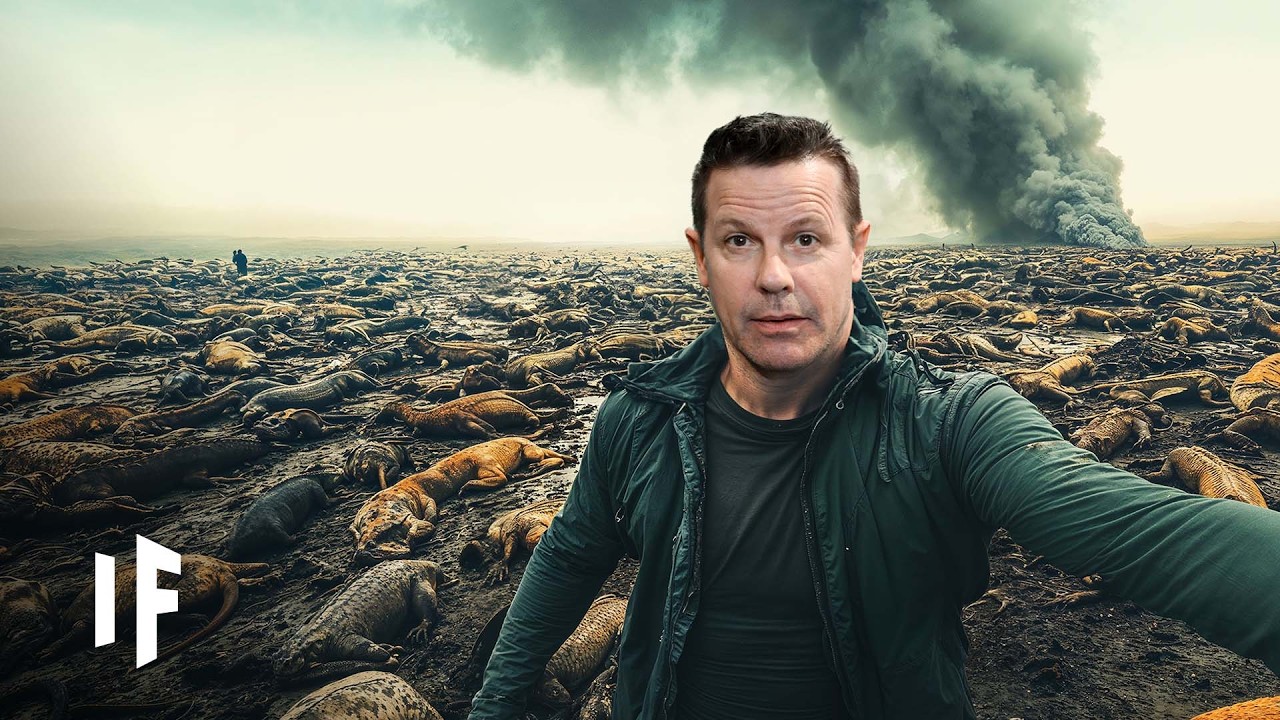
- The Permian-Triassic Extinction: The latter part of the Permian is marked by the most significant mass extinction in Earth's history, known as the Great Dying. If you lived during this time, you would be facing dramatic shifts in the environment, leading to a massive die-off of species. This extinction event would wipe out about 90% of marine species and 70% of terrestrial vertebrates.
### Culture and Society
- Complex Societies: It’s important to note that there were no human societies during the Permian Period. If you were an early vertebrate or insect, you wouldn’t have culture, language, or social structures like those found in modern human societies.
In summary, living during the Permian would expose you to a unique array of flora and fauna, a variety of ecosystems, and very different environmental conditions. Survival would be a critical focus, amidst significant evolutionary changes and eventual catastrophic events that would reshape life on Earth.
reply
Living during the Permian Period, which lasted from about 299 to 252 million years ago, would be a vastly different experience compared to life today. Here are some key aspects to consider about life in that era:
### Environment
- Geography and Climate: The Permian was characterized by a supercontinent called Pangaea, which created a variety of environments. The climate was predominantly dry, with vast deserts and some humid regions where life thrived.
- Atmosphere: The atmosphere contained higher levels of oxygen compared to today, but it also had higher carbon dioxide levels, which could have influenced climate and vegetation.
### Flora and Fauna
- Plant Life: The landscape was dominated by gymnosperms (like conifers) and other seed plants, as well as ferns and cycads. There were no flowering plants, which appeared later.
- Animal Life: The Permian saw the dominance of amphibians and the early ancestors of reptiles. It was also a period of significant diversity in marine life, including mollusks, brachiopods, and primitive fish.
- Terrestrial Life: Insects were abundant, and there were early forms of synapsids (mammal-like reptiles) and diapsids (precursors to modern reptiles and birds.
### Daily Life
- Survival: If you were a small vertebrate or an insect, your life would involve finding food, avoiding predators, and adapting to changing environmental conditions. Life would be focused on survival in a competitive ecosystem.
- Predators and Competition: The presence of large predators, such as the synapsids, would make the environment dangerous, requiring various survival strategies, like burrowing or hiding.
### Events and Extinction
- The Permian-Triassic Extinction: The latter part of the Permian is marked by the most significant mass extinction in Earth's history, known as the Great Dying. If you lived during this time, you would be facing dramatic shifts in the environment, leading to a massive die-off of species. This extinction event would wipe out about 90% of marine species and 70% of terrestrial vertebrates.
### Culture and Society
- Complex Societies: It’s important to note that there were no human societies during the Permian Period. If you were an early vertebrate or insect, you wouldn’t have culture, language, or social structures like those found in modern human societies.
In summary, living during the Permian would expose you to a unique array of flora and fauna, a variety of ecosystems, and very different environmental conditions. Survival would be a critical focus, amidst significant evolutionary changes and eventual catastrophic events that would reshape life on Earth.
reply
wotanstag1512
Hey, I love your videos, but I think this one could have been a bit better;
The AI images are not really that accurate (I get that animation can be expensive, but a lot of the AI thing at best only have a superficial resemblance to their counterparts in the fossil record)
4-legged vertebrates didn't get their start in the Permian period, they were on land since the late Devonian, and Amniotes existed since the carboniferous
It would have been nice to go over the split of Amniotes between diapsids/sauropsids (reptile line amniotes) and synapsids(mammal line amniotes) in more detail
Also most zoologists prefer the term stem-mammal to mammal-like reptile when talking about non-mammalian synapsids like dimetrodon and Gorgonopsids.
reply
Hey, I love your videos, but I think this one could have been a bit better;
The AI images are not really that accurate (I get that animation can be expensive, but a lot of the AI thing at best only have a superficial resemblance to their counterparts in the fossil record)
4-legged vertebrates didn't get their start in the Permian period, they were on land since the late Devonian, and Amniotes existed since the carboniferous
It would have been nice to go over the split of Amniotes between diapsids/sauropsids (reptile line amniotes) and synapsids(mammal line amniotes) in more detail
Also most zoologists prefer the term stem-mammal to mammal-like reptile when talking about non-mammalian synapsids like dimetrodon and Gorgonopsids.
reply
mohanv88
Dont put bad expressions like yak. It is very unplesent to hear 10: 00 Especially your uranaus video stinks when u use yak expressions. Just say bad small or not good smell. This would be better.
reply
Dont put bad expressions like yak. It is very unplesent to hear 10: 00 Especially your uranaus video stinks when u use yak expressions. Just say bad small or not good smell. This would be better.
reply
em1osmurf
and today, we have an atmosphere bordering on 700 times that amount of carbon. there will be no life on earth past 2100 due to this--not a mass extinction event, a TOTAL one. earth is done.
reply
and today, we have an atmosphere bordering on 700 times that amount of carbon. there will be no life on earth past 2100 due to this--not a mass extinction event, a TOTAL one. earth is done.
reply
A. D. 540
mammals come from cynodontia not dicynodont. although i have to say both of this creature have some share trate the only different is one has mammal genetic when other one had onlu lizard.
reply
mammals come from cynodontia not dicynodont. although i have to say both of this creature have some share trate the only different is one has mammal genetic when other one had onlu lizard.
reply
whatif
I would've been dead. Unless I had photon torpedo or light sabernot letting any beasties devour my gorgeous hiney
reply
I would've been dead. Unless I had photon torpedo or light sabernot letting any beasties devour my gorgeous hiney
reply
Add a review, comment
Other channel videos