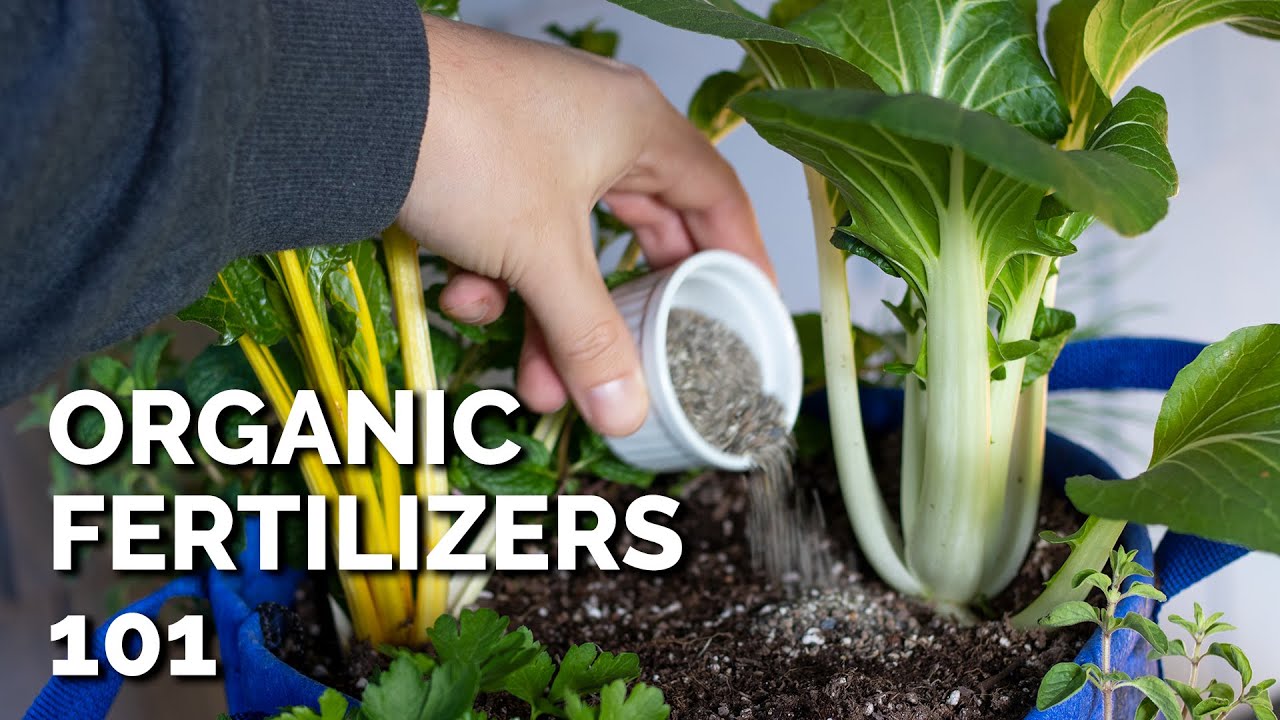
14 Organic Fertilizers and How to Use Them
video description
Date: 2022-07-18
Related videos





Comments and reviews: 15
Rachael
These are the ratios and some of the suggestions, if you just want to scroll.
Alfalfa meal: 2-0-2
Spring suggestion
Cottonseed: 6-2-1
Suggested for the fall, weed suppression
Bat Guano: 10-3-1
Fast acting fertilizer, compost tea spray
Kelp Meal:
Many Trace minerals
Rock phosphate: 0-3-0
Green Sand:
Iron potassium silicate, helps bind sandy soil and loosen clay soil, and increase soil water hold
Garden Gypsum:
Need soil clay/salt heavy to be helpful
Garden Lime:
Raises ph in soil
Blood Meal: 12-0-0
Fast acting and acidic
Bone Meal: 4-12-0
Suggested for raised containers at the end of grow year
Cow Manure: 2-1-3
Trusted source- moderate speed
Chicken manure: 3-1-2
Hot, and can cause nutrient burn, compost a little bit.
Earth worm casting: .5-. 7-. 1
Fish emulsion or bury a full fish: 2-4-0
Huzzaaahhh
reply
These are the ratios and some of the suggestions, if you just want to scroll.
Alfalfa meal: 2-0-2
Spring suggestion
Cottonseed: 6-2-1
Suggested for the fall, weed suppression
Bat Guano: 10-3-1
Fast acting fertilizer, compost tea spray
Kelp Meal:
Many Trace minerals
Rock phosphate: 0-3-0
Green Sand:
Iron potassium silicate, helps bind sandy soil and loosen clay soil, and increase soil water hold
Garden Gypsum:
Need soil clay/salt heavy to be helpful
Garden Lime:
Raises ph in soil
Blood Meal: 12-0-0
Fast acting and acidic
Bone Meal: 4-12-0
Suggested for raised containers at the end of grow year
Cow Manure: 2-1-3
Trusted source- moderate speed
Chicken manure: 3-1-2
Hot, and can cause nutrient burn, compost a little bit.
Earth worm casting: .5-. 7-. 1
Fish emulsion or bury a full fish: 2-4-0
Huzzaaahhh
reply
Made
Isnt it one of the idea of organic gardening or farming supposed to be cheaper than conventional synthetic fertilizers farming, even we can do it for free in organic farming? Organic farming is about work with nature, use all the resources what the nature provides. Cheaper and better quality harvest and also environmentally friendly. why do you have always to spend a lot of money by buying organic fertilizer? it defeats the purpose of organic farming or gardening. that is why organic farming takes time, not like synthetic fertilizers that you will got instant results but bad for environment, soil and the earth in general. I understand maybe because you dont have resources to make your own organic fertilizers. do you? or is it because having mindset of easy gardening, just buy buy buy for everything? i know you do your own composting, but not the fertilizers. correct me if Im wrong.
reply
Isnt it one of the idea of organic gardening or farming supposed to be cheaper than conventional synthetic fertilizers farming, even we can do it for free in organic farming? Organic farming is about work with nature, use all the resources what the nature provides. Cheaper and better quality harvest and also environmentally friendly. why do you have always to spend a lot of money by buying organic fertilizer? it defeats the purpose of organic farming or gardening. that is why organic farming takes time, not like synthetic fertilizers that you will got instant results but bad for environment, soil and the earth in general. I understand maybe because you dont have resources to make your own organic fertilizers. do you? or is it because having mindset of easy gardening, just buy buy buy for everything? i know you do your own composting, but not the fertilizers. correct me if Im wrong.
reply
VeganMicroFarm
Back in the 90's I was introduced to fish/kelp fertilizer and have done many experiments with vegetable production. Read many books on soil and the life that happens with rotting materials. The book: Teaming With Microbes was quite interesting and opened my eyes to the secrets of growing food utilized across the pond throughout Europe. A few years ago I was looking for bags of Oyster Shell chicken scratch (sold out) and Alfalfa livestock feed and could only find the cubes loaded with salt and other additives; just purchased alfalfa pellets with minimal additives from a farm store. I use Espoma tomato formula for the added microbes to go to work on composted manure and homemade compost from grass clippings/leaves/wood chips and people are amazed at the volume of produce coming out of my garden in heavy clay soil.
reply
Back in the 90's I was introduced to fish/kelp fertilizer and have done many experiments with vegetable production. Read many books on soil and the life that happens with rotting materials. The book: Teaming With Microbes was quite interesting and opened my eyes to the secrets of growing food utilized across the pond throughout Europe. A few years ago I was looking for bags of Oyster Shell chicken scratch (sold out) and Alfalfa livestock feed and could only find the cubes loaded with salt and other additives; just purchased alfalfa pellets with minimal additives from a farm store. I use Espoma tomato formula for the added microbes to go to work on composted manure and homemade compost from grass clippings/leaves/wood chips and people are amazed at the volume of produce coming out of my garden in heavy clay soil.
reply
Chris
You should get your soil tested. You should find out who in your area tests soil and contact them before you do anything. They will tell you how to get the samples and from where. And with research you can find some labs that will test for cheap or free. Contact your local co-operative extension. They usually have websites that you can access. Also there are kits out there that you can get to test your soil yourself. I would reserve this for experienced gardeners. If you can find a local store or nursery that carries fertilizer will assist you in your testing and in your choosing what you need for what you want to grow. With the advent of big box stores getting into selling plants and other gardening stuff, a lot of these places are struggling and would be delighted to get your business.
reply
You should get your soil tested. You should find out who in your area tests soil and contact them before you do anything. They will tell you how to get the samples and from where. And with research you can find some labs that will test for cheap or free. Contact your local co-operative extension. They usually have websites that you can access. Also there are kits out there that you can get to test your soil yourself. I would reserve this for experienced gardeners. If you can find a local store or nursery that carries fertilizer will assist you in your testing and in your choosing what you need for what you want to grow. With the advent of big box stores getting into selling plants and other gardening stuff, a lot of these places are struggling and would be delighted to get your business.
reply
Chris
I didnt know that Epsom had expanded their line to all this. Very interesting. One of the things I like to do is mix all these together in some compost, then spread it over the garden. Then keep some for planting. The good thing about organics are they will adjust themselves to what the plants need as opposed to chemical fertilizers that will burn up your plants if you add to much. And with chemical fertilizer you better get used to reading those numbers and buying separate fertilizer for different plants.
reply
I didnt know that Epsom had expanded their line to all this. Very interesting. One of the things I like to do is mix all these together in some compost, then spread it over the garden. Then keep some for planting. The good thing about organics are they will adjust themselves to what the plants need as opposed to chemical fertilizers that will burn up your plants if you add to much. And with chemical fertilizer you better get used to reading those numbers and buying separate fertilizer for different plants.
reply
Peter
such a great video. You missed the opportunity to mention one thing. If you are concerned about chicken or cow manure being too hot, just run it through your worm bins. Your worm population in the bin will explode, but you also greatly cut down on the time to be able to use chicken manure. I do this as a weekly thing to keep a very fast supply of worm castings coming ( actually they are double manures.
reply
such a great video. You missed the opportunity to mention one thing. If you are concerned about chicken or cow manure being too hot, just run it through your worm bins. Your worm population in the bin will explode, but you also greatly cut down on the time to be able to use chicken manure. I do this as a weekly thing to keep a very fast supply of worm castings coming ( actually they are double manures.
reply
GP-MB-0123
Hi I watch lots of videos from you and everyone is awesome really this including. I'm from Vancouver Canada area. It is the first time I have Wasabi Japonica plant. Could you be so kind and tell us the ratio I fund out is 14-14-14 this is I fund out, which soil should I get ofcourse organic for my Wasabi. Keep up the good work I really appreciate thank you stay safe
reply
Hi I watch lots of videos from you and everyone is awesome really this including. I'm from Vancouver Canada area. It is the first time I have Wasabi Japonica plant. Could you be so kind and tell us the ratio I fund out is 14-14-14 this is I fund out, which soil should I get ofcourse organic for my Wasabi. Keep up the good work I really appreciate thank you stay safe
reply
Rivkah
Fascinating! I use fish emulsion on everything in my garden, and I've rarely had any plants that didn't respond incredibly well to it, but unlike the rest of these fertilizers, you usually mix it with water then spray it on the leaves themselves. It's stinky but holy cow do I see tired plants start perking up in less than a day! I love love LOVE it!
reply
Fascinating! I use fish emulsion on everything in my garden, and I've rarely had any plants that didn't respond incredibly well to it, but unlike the rest of these fertilizers, you usually mix it with water then spray it on the leaves themselves. It's stinky but holy cow do I see tired plants start perking up in less than a day! I love love LOVE it!
reply
netyote
Thank you so much for this video! When I walk into a garden center, it can be overwhelming seeing all the different products on the shelves. There are so many options, and the numbers can get all mixed up in my head. Thank you for talking a little bit about each of these, and offering concrete examples of when or how you might want to use them.
reply
Thank you so much for this video! When I walk into a garden center, it can be overwhelming seeing all the different products on the shelves. There are so many options, and the numbers can get all mixed up in my head. Thank you for talking a little bit about each of these, and offering concrete examples of when or how you might want to use them.
reply
Sunfed
Hi! I know you mentioned applying some products in the spring or fall, but which animal free product do you recommend for applying monthly to the garden? Kelp, alfalfa, or cottonseed? We currently use Down to Earth Vegan mix and would like to add another organic fertilizer to it since it has an NPK ratio of 3-2-2.
reply
Hi! I know you mentioned applying some products in the spring or fall, but which animal free product do you recommend for applying monthly to the garden? Kelp, alfalfa, or cottonseed? We currently use Down to Earth Vegan mix and would like to add another organic fertilizer to it since it has an NPK ratio of 3-2-2.
reply
Rory
This is a great video! Just got my soil test results in. Nitrogen is low so blood meal now, Potasium was low too. end of January as snow melts will dig each hole in the weed cloth. amend and let rain leech to make bio-available for plants this coming season. Great video. got a plan of attack in 20 mins.
reply
This is a great video! Just got my soil test results in. Nitrogen is low so blood meal now, Potasium was low too. end of January as snow melts will dig each hole in the weed cloth. amend and let rain leech to make bio-available for plants this coming season. Great video. got a plan of attack in 20 mins.
reply
Kellie
I would love more info about one manure that you didn't include: rabbit manure. Other people on their homesteads raise rabbits and while I keep them as pets instead of for meat purposes, they still produce a lot of manure that is high in nutrients since their diet is almost exclusively timothy hay.
reply
I would love more info about one manure that you didn't include: rabbit manure. Other people on their homesteads raise rabbits and while I keep them as pets instead of for meat purposes, they still produce a lot of manure that is high in nutrients since their diet is almost exclusively timothy hay.
reply
Teresa
My soil was so bad that most of the plants were suffering. I bought gypsum and just threw it everywhere (Lot of them. fast forward, everything is giant now (Clay soil. I didnt give any other fertilizer, but I just bought kelp meal, so I hope that helps to make fruits bigger n tastier
reply
My soil was so bad that most of the plants were suffering. I bought gypsum and just threw it everywhere (Lot of them. fast forward, everything is giant now (Clay soil. I didnt give any other fertilizer, but I just bought kelp meal, so I hope that helps to make fruits bigger n tastier
reply
Press
Do you have a video for fall garden prep? What fertilizers should I use to return nutrients before spring? I plan on laying straw to try and preserve the soil is that a good idea? This will be my second year garden on basically dead soil. None of my crops produced this year.
reply
Do you have a video for fall garden prep? What fertilizers should I use to return nutrients before spring? I plan on laying straw to try and preserve the soil is that a good idea? This will be my second year garden on basically dead soil. None of my crops produced this year.
reply
Ezekiel
I once read a book called Bartrams Travels. I highly recommend it. He documents the indigenous farming practices of the time (late 18th century. One thing that always intrigued me was the practice of digging up oyster shells and spreading them on the surface of the soil
reply
I once read a book called Bartrams Travels. I highly recommend it. He documents the indigenous farming practices of the time (late 18th century. One thing that always intrigued me was the practice of digging up oyster shells and spreading them on the surface of the soil
reply
Add a review, comment
Other channel videos