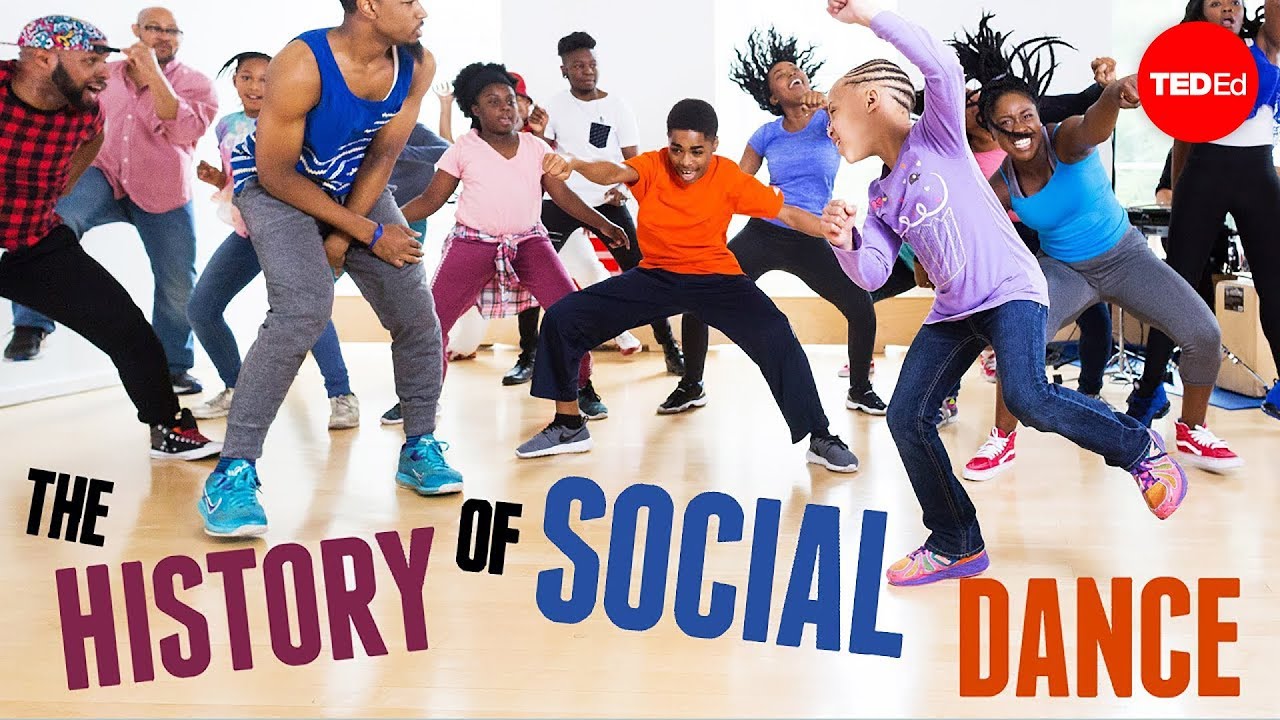
The history of African-American social dance - Camille A. Brown
video description
Date: 2020-08-22
Related videos




Comments and reviews: 5
Vonslik69
BRAVO! A much needed visual history of the African/African American origins of improvisational dances. I would like to see a lot more of the dances that weren't mentioned ( tap dance, Harlem Renaissance era, James Brown, Locking/Pop Locking, Breakdancing, House dancing, slow dancing, Freakin' (Twerking, etc.
reply
BRAVO! A much needed visual history of the African/African American origins of improvisational dances. I would like to see a lot more of the dances that weren't mentioned ( tap dance, Harlem Renaissance era, James Brown, Locking/Pop Locking, Breakdancing, House dancing, slow dancing, Freakin' (Twerking, etc.
reply
chris
She did a very good summary; however, there are plenty of mores dances and music for those dances created by people of African descent. Good start, though!
reply
She did a very good summary; however, there are plenty of mores dances and music for those dances created by people of African descent. Good start, though!
reply
Timm
these copper tone people dancing are aboriginal american indians! not africans at all. we were never africans! stop giving them our culture.
reply
these copper tone people dancing are aboriginal american indians! not africans at all. we were never africans! stop giving them our culture.
reply
Shiwei
love to know the origins of street dance. the past is never gone. we're always and will always be pursuing freedom. respect!
reply
love to know the origins of street dance. the past is never gone. we're always and will always be pursuing freedom. respect!
reply
Robin
Love this video! It is informative and fun to watch. I'm going to share it with my Arts and Culture class. Excellent job!
reply
Love this video! It is informative and fun to watch. I'm going to share it with my Arts and Culture class. Excellent job!
reply
Add a review, comment
Other channel videos