How was the Roman Empire Formed? - History of Rome - Part 10
video description
Date: 2023-12-19
Related videos





Comments and reviews: 5
nickmacarius3012
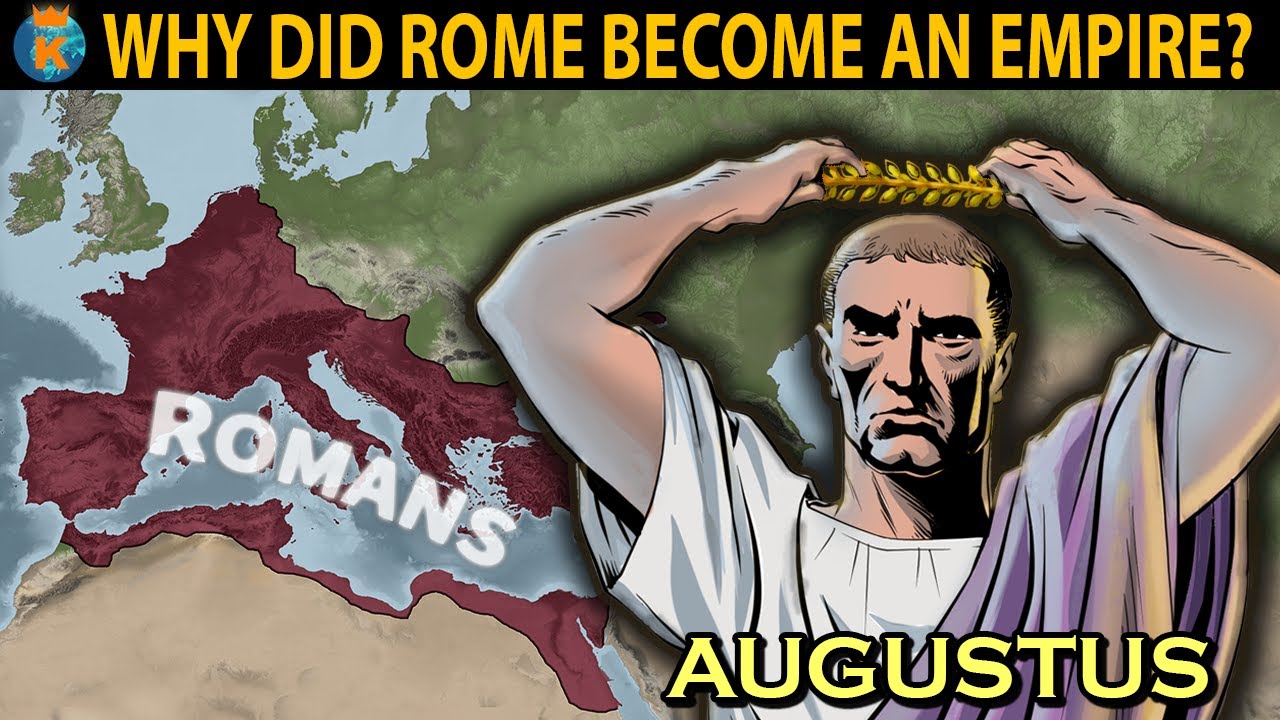
I don't think that Augustus was a malevolent evil genius as made out in this video. Fun fact: the terms Emperor & Empire were not known then as we know today. The naughty no, no title of Dictator was what they had back then which signified a tyrant - something which Augustus wanted to avoid. In fact, had you lived up until even the reign of Justinian, the Romans would still refer to the Roman state as the Republic / Res-publica or the public thing. Moreover, in the time of Augustus' rise to power most of the Senate and the people were concerned mainly with stability following years of ongoing civil wars. The title of Imperator (where we get the modern term for Emperor) was an official title for one who holds command who was bestowed the title and acted in place of the Senate. This was given to several individuals over the years to deal with problems within Roman territory which were far from the Senate. Furthermore, due multiple Imperators who raised troops and took action in the name of the Roman Senate, the legions owed more loyalty to their commanders (Imperators) than the Senate itself as seen during Caesar's wars. When Augustus had defeated Mark Anthony he was the remaining Imperator and the sole military authority at that point who could bring peace to Rome since all the legions obeyed only one Imperator now. The Senate found this useful to finally bring an end to years of endless civil wars. Thus Augustus remained Imperator, whose chair sat in between the two Roman Consuls, who was a member and also held accountable to the Roman Senate. Over the years, further powers were granted to the office of Imperator such as the veto power held by the Tribunes of the Plebs, the powers of the Censor, etc. The title of Princeps was an honorific title bestowed to Augustus and successors which essentially meant First Citizen and was thus intended to be the first among equals in the Senate. The office of Imperator never really became an Emperor as we know it today in the sense of an absolute monarchy until Diocletian. I'd recommend reading Caesar: Life of a Colossus and Augustus by Adrian Goldsworthy.
reply
I don't think that Augustus was a malevolent evil genius as made out in this video. Fun fact: the terms Emperor & Empire were not known then as we know today. The naughty no, no title of Dictator was what they had back then which signified a tyrant - something which Augustus wanted to avoid. In fact, had you lived up until even the reign of Justinian, the Romans would still refer to the Roman state as the Republic / Res-publica or the public thing. Moreover, in the time of Augustus' rise to power most of the Senate and the people were concerned mainly with stability following years of ongoing civil wars. The title of Imperator (where we get the modern term for Emperor) was an official title for one who holds command who was bestowed the title and acted in place of the Senate. This was given to several individuals over the years to deal with problems within Roman territory which were far from the Senate. Furthermore, due multiple Imperators who raised troops and took action in the name of the Roman Senate, the legions owed more loyalty to their commanders (Imperators) than the Senate itself as seen during Caesar's wars. When Augustus had defeated Mark Anthony he was the remaining Imperator and the sole military authority at that point who could bring peace to Rome since all the legions obeyed only one Imperator now. The Senate found this useful to finally bring an end to years of endless civil wars. Thus Augustus remained Imperator, whose chair sat in between the two Roman Consuls, who was a member and also held accountable to the Roman Senate. Over the years, further powers were granted to the office of Imperator such as the veto power held by the Tribunes of the Plebs, the powers of the Censor, etc. The title of Princeps was an honorific title bestowed to Augustus and successors which essentially meant First Citizen and was thus intended to be the first among equals in the Senate. The office of Imperator never really became an Emperor as we know it today in the sense of an absolute monarchy until Diocletian. I'd recommend reading Caesar: Life of a Colossus and Augustus by Adrian Goldsworthy.
reply
bandit6272
There's an awful lot of mind-reading in this video. If you're speculating about the motives of people over a thousand years ago, you should probably make it clear you're just speculating.
reply
There's an awful lot of mind-reading in this video. If you're speculating about the motives of people over a thousand years ago, you should probably make it clear you're just speculating.
reply
bekirarslan1443
One thing, you forgot switzerland and a part of germany, known s baden. They where a part of Roman Empire to, even the oldes bridage in germany was made by Romans
reply
One thing, you forgot switzerland and a part of germany, known s baden. They where a part of Roman Empire to, even the oldes bridage in germany was made by Romans
reply
lost_porkchop
Augustus was a sort of prototype for the adoptive emperors. When done correctly, adopting was the best option, especially outside the family.
reply
Augustus was a sort of prototype for the adoptive emperors. When done correctly, adopting was the best option, especially outside the family.
reply
azloe3788
At what point did The Roman Republic become known as The Roman Empire because your last video and this video just called it simply Rome
reply
At what point did The Roman Republic become known as The Roman Empire because your last video and this video just called it simply Rome
reply
Add a review, comment
Other channel videos