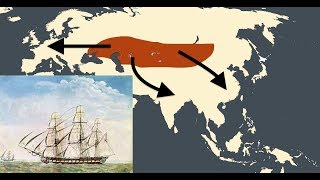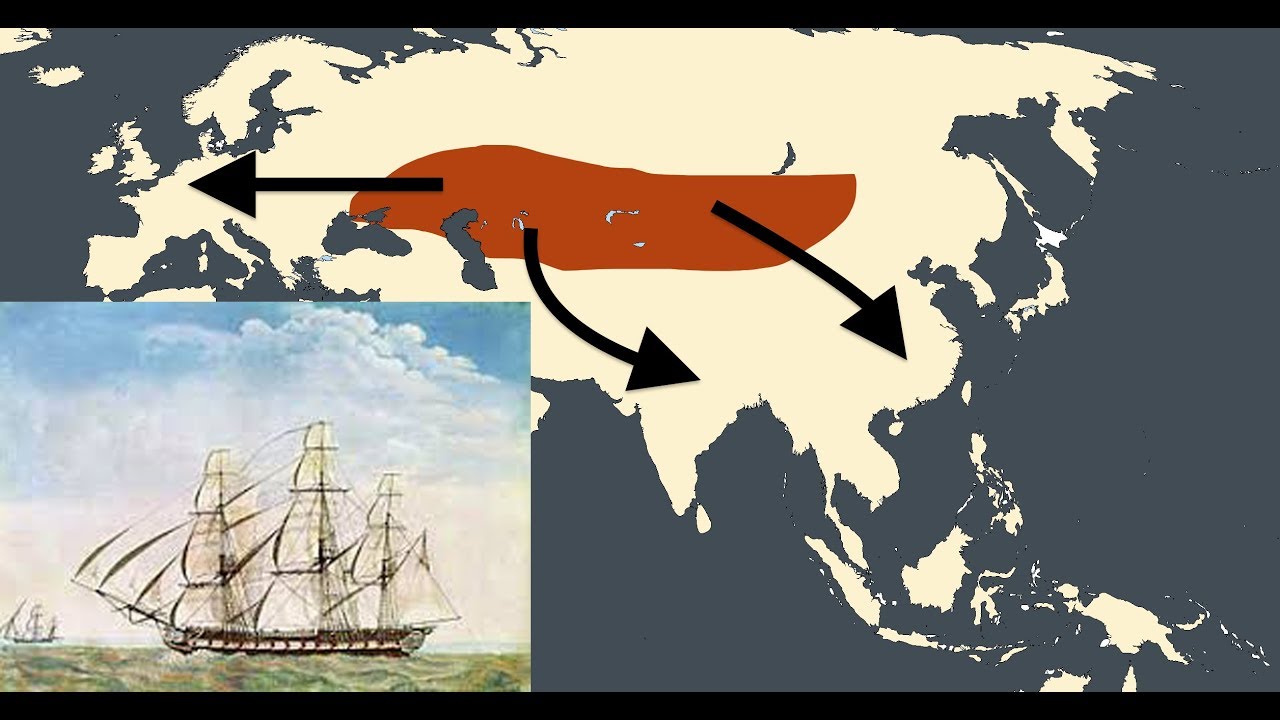
What if the Huns Never Existed?
video description
Date: 2022-07-15
Related videos






Comments and reviews: 9
education
You read some really bad sources about Indian history across all your videos, I keep noticing.
Gupta Empire wasn't a collection of kings sending tribute to a weak emperor just waiting to be invaded though. It was actually really well organized, and essentially controlled entire India in two ways - directly governed the north with a centralized bureaucracy (that existed until early 6th century AD, and nominal but closely controlled vassal kingdoms covering the entire southern area (the biggest one being Vakataka kingdom. The tributaries you mention existed in the form of colonies in Southeast Asia and tribal kingdoms in Himalayas and modern Myanmar. Pretty much same as what Mughal Empire did until 1590s - directly controlling only the northern heartland region and turning the rest into vassals, at least until they began directly annexing the vassal kings in 1630s.
Guptas weren't militarily weak either. They actually managed to defeat the Hunas at first (repeatedly in fact, under Emperor Skandagupta. The thing is, every emperor after that was weaker than the previous one, creating warlordism and rebellions (first to go were the vassals in the south, followed by various governors. By the end of 5th century, the emperor was essenitally a hostage in his own palace.
The final defeat of the Huna invaders in India (mid-6th century AD) came at the hands of Yashodharman, the Gupta governor of Avanti province (Malwa, who led the Gupta army on behalf of Emperor Vishnugupta. That man was a governor and subject in name, but in reality he had grown powerful enough to declare himself a king in his own right and eventually separated away like rest of the warlords. And even in this era, in their final years, the Gupta Empire controlled a considerable portion of eastern India (as inscribed by Yashodharman himself on Mandsaur Prashasti pillar.
This era isn't badly documented either. There is loads of manuscripts from writers of the late Gupta empire era. The actual lack of sources comes in the dark ages of the post-Gupta era, until the rise of Pushyabhuti-Chalukya imperial diarchy when large scale writing resumes.
reply
You read some really bad sources about Indian history across all your videos, I keep noticing.
Gupta Empire wasn't a collection of kings sending tribute to a weak emperor just waiting to be invaded though. It was actually really well organized, and essentially controlled entire India in two ways - directly governed the north with a centralized bureaucracy (that existed until early 6th century AD, and nominal but closely controlled vassal kingdoms covering the entire southern area (the biggest one being Vakataka kingdom. The tributaries you mention existed in the form of colonies in Southeast Asia and tribal kingdoms in Himalayas and modern Myanmar. Pretty much same as what Mughal Empire did until 1590s - directly controlling only the northern heartland region and turning the rest into vassals, at least until they began directly annexing the vassal kings in 1630s.
Guptas weren't militarily weak either. They actually managed to defeat the Hunas at first (repeatedly in fact, under Emperor Skandagupta. The thing is, every emperor after that was weaker than the previous one, creating warlordism and rebellions (first to go were the vassals in the south, followed by various governors. By the end of 5th century, the emperor was essenitally a hostage in his own palace.
The final defeat of the Huna invaders in India (mid-6th century AD) came at the hands of Yashodharman, the Gupta governor of Avanti province (Malwa, who led the Gupta army on behalf of Emperor Vishnugupta. That man was a governor and subject in name, but in reality he had grown powerful enough to declare himself a king in his own right and eventually separated away like rest of the warlords. And even in this era, in their final years, the Gupta Empire controlled a considerable portion of eastern India (as inscribed by Yashodharman himself on Mandsaur Prashasti pillar.
This era isn't badly documented either. There is loads of manuscripts from writers of the late Gupta empire era. The actual lack of sources comes in the dark ages of the post-Gupta era, until the rise of Pushyabhuti-Chalukya imperial diarchy when large scale writing resumes.
reply
Arun
Kushans were the ancient Tocharians(Extinct Indo European people. Chinese sources call them Yeuzhi and wanted to ally with them against the Xiangnu. Indian sources call the Kushans as Tusharas, and they're super important for defeating the Scythians(Shaka. The Defeat of scythians by Kushan king marks as the 1st date of the Hindu/Buddhist calender, Vikram Samvat/Bikram Sambat. Without the Kushans, India would still be under scythian domination.
Also, Gautum Buddha was most likely of Scythian origin.
Also, it's possible Kushans weren't the ones to defeat the Shaka, and indigenous kings defeated them, but we really don't know for sure.
reply
Kushans were the ancient Tocharians(Extinct Indo European people. Chinese sources call them Yeuzhi and wanted to ally with them against the Xiangnu. Indian sources call the Kushans as Tusharas, and they're super important for defeating the Scythians(Shaka. The Defeat of scythians by Kushan king marks as the 1st date of the Hindu/Buddhist calender, Vikram Samvat/Bikram Sambat. Without the Kushans, India would still be under scythian domination.
Also, Gautum Buddha was most likely of Scythian origin.
Also, it's possible Kushans weren't the ones to defeat the Shaka, and indigenous kings defeated them, but we really don't know for sure.
reply
Nirupama
There was no such thing as the Indian Dark Ages. The Kannauj Triangle followed the Gupta Empire collapse. This period so continued economic prosperity with the Great patronising of the arts and science in universities such as Nalanda, Vikramashila and Odantapuri. The great cities of Kannauj and Malkhed were built during this time. The Gupta Empire actually defeated the Huns. The Empire collapsed due to flooding of thousands of cities across the Gangetic plains.
reply
There was no such thing as the Indian Dark Ages. The Kannauj Triangle followed the Gupta Empire collapse. This period so continued economic prosperity with the Great patronising of the arts and science in universities such as Nalanda, Vikramashila and Odantapuri. The great cities of Kannauj and Malkhed were built during this time. The Gupta Empire actually defeated the Huns. The Empire collapsed due to flooding of thousands of cities across the Gangetic plains.
reply
Tuko
Without the Xiongnu, the independent hellenic realms in Bactria and India formed by Greeks would have stuck around a bit longer, as the Kushans/Yuezhi were driven from their homes in western China and into the Ili valley by the Xiongnu. It was here that the Yuezhi then drove out eastern scythian peoples, or Saka, who would destroy the Greco Bactrian kingdom and form the Indo-Scythians and Northern and Western Satraps.
reply
Without the Xiongnu, the independent hellenic realms in Bactria and India formed by Greeks would have stuck around a bit longer, as the Kushans/Yuezhi were driven from their homes in western China and into the Ili valley by the Xiongnu. It was here that the Yuezhi then drove out eastern scythian peoples, or Saka, who would destroy the Greco Bactrian kingdom and form the Indo-Scythians and Northern and Western Satraps.
reply
Stonks
What if the Huns never existed? Nothing would change. The Steppes have other terrors there - The huns were the Xiongnu, There was the Yuezhi, Gokturks, Xianbei (Predecessors of the MOngols, Khitans, Jurchens, Tatars, Scythians. The list does not end.
If the Hunds didn't exist, another group would take its place. A steppe nomad terrorizing the plain farmers is inevitable
reply
What if the Huns never existed? Nothing would change. The Steppes have other terrors there - The huns were the Xiongnu, There was the Yuezhi, Gokturks, Xianbei (Predecessors of the MOngols, Khitans, Jurchens, Tatars, Scythians. The list does not end.
If the Hunds didn't exist, another group would take its place. A steppe nomad terrorizing the plain farmers is inevitable
reply
whatifalthist
If the huns never existed the germanic tribes would not have boon force to enter roman lands and would have given the empire more time to survive because the only reason the Germanic tribes entered roman lives is because of the huns and if the roman empire managed to get good emperors it might have even survive to the present day
reply
If the huns never existed the germanic tribes would not have boon force to enter roman lands and would have given the empire more time to survive because the only reason the Germanic tribes entered roman lives is because of the huns and if the roman empire managed to get good emperors it might have even survive to the present day
reply
Vin
There's a new theory that Xiong-Nu's language belonged to the Yenisien family in Siberia.
There's another theory that connects the Yenisien family to NA-Dene family of the Americas, in a single family known as Dene-Yenisien.
IF all of these are true, Huns are basically related to Native americans.
reply
There's a new theory that Xiong-Nu's language belonged to the Yenisien family in Siberia.
There's another theory that connects the Yenisien family to NA-Dene family of the Americas, in a single family known as Dene-Yenisien.
IF all of these are true, Huns are basically related to Native americans.
reply
Ghost
TBH i think that if the huns never existed, another Nomadic people would fill the niche of the steppe warlord as so many others had done before and after, so this scenario is better descriped as what if horse nomads didn't exist in the classical era steppe?
reply
TBH i think that if the huns never existed, another Nomadic people would fill the niche of the steppe warlord as so many others had done before and after, so this scenario is better descriped as what if horse nomads didn't exist in the classical era steppe?
reply
Kunal
Kushan empire is a very important part of Indian history. it simply boosted India's wealth. guess the reason, i have trust in your intellect. Most importantly learn about Kanishka. The contributions of kushans in field of Buddhism.
reply
Kushan empire is a very important part of Indian history. it simply boosted India's wealth. guess the reason, i have trust in your intellect. Most importantly learn about Kanishka. The contributions of kushans in field of Buddhism.
reply
Add a review, comment
Other channel videos